
What Happens to Your Body When You Eat Broccoli Regularly
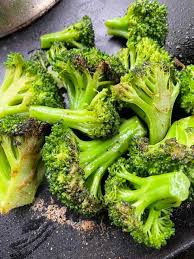
With its tree-like florets and vibrant green hue, broccoli is not only visually appealing but also a nutritional gem. As a member of the Brassicaceae family, alongside cauliflower, kale, cabbage and Brussels sprouts, it’s a part of a vegetable tribe renowned for its many health-promoting properties. Like its relatives, broccoli is brimming with several essential nutrients, including vitamin C, K, folate and fiber.
While it may be an acquired taste for some, it is often enjoyed in various culinary creations, from stir-fries and salads to soups and casseroles. Whether you’re a broccoli enthusiast or skeptic, this nutrient-rich and versatile green vegetable certainly deserves a spot on your weekly menu. Read on to learn how regular broccoli consumption can benefit your overall health and well-being.
The 6 Best Foods to Eat for Healthy Nails
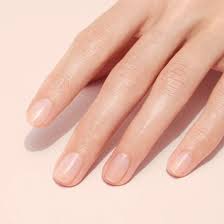
You’ve probably heard that the health of your nails can clue you in to the health of your whole body. But that’s not the only reason to keep your nails in top condition. Your nails also protect the softer tissues of your fingers and toes.
The Best Late-Night Snack for High Blood Pressure

ver stayed up late at night with your stomach growling and wondering if you should dig into a snack? Well, you’re not the only one—half of adults admit to reaching for a snack after 8 p.m. While a bag of salty crackers or chips sounds delicious, it might not be the best option if you have high blood pressure. That’s because they are loaded with sodium, which can raise your blood pressure just as you’re trying to unwind.
When choosing snacks, opting for ones that won’t worsen your condition is essential. And if they can improve it—even better! A nourishing snack can keep you satisfied between meals and prevent you from waking up hungry in the middle of the night. So, what’s the best snack you can munch on late at night? Dietitians recommend kefir! And here’s why.
Kefir is a creamy, drinkable fermented milk product with a slightly tangy taste and a milkshake-like consistency. It is packed with essential nutrients like probiotics, magnesium and potassium, which can help lower blood pressure and support overall health.
When shopping for kefir, you’ll notice that it comes in many varieties, including nonfat, low-fat and whole-milk options, as well as flavored and unflavored. While all of them are great options, the plain one is easy to dress up with either sweet or savory flavors—depending on your craving.
The Best High-Protein Breakfast If You Have High Cholesterol
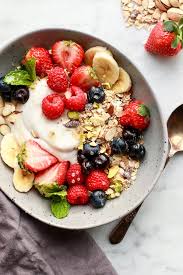
Lower high cholesterol levels with this dietitian-recommended high-protein breakfast.
Want to lower your cholesterol levels? Start your day with breakfast. Research has found that eating breakfast at least three days per week might benefit your heart and can help lower your cholesterol, too.1 To make sure the day doesn’t get away from you before you fuel up with a heart-healthy meal, experts recommend eating breakfast within two hours of waking to help manage your cholesterol.
Of course, what you eat for breakfast matters too. Choosing a breakfast that is packed with protein can help you maintain consistent energy levels (and blood sugar) throughout the morning. Aim for a breakfast with at least 15 grams of protein as well as plenty of fiber—one nutrient that is especially helpful for managing high cholesterol. Wondering what breakfast checks all the boxes? Dietitians recommend these Apple Pie-Inspired Overnight Oats.
There are plenty of reasons that overnight oats recipes are so popular. They are easy to make, good for you, meal prep–friendly and the flavor variations are endless. Read on to find out why this overnight oat recipe is a top-pick for lowering high cholesterol levels.